

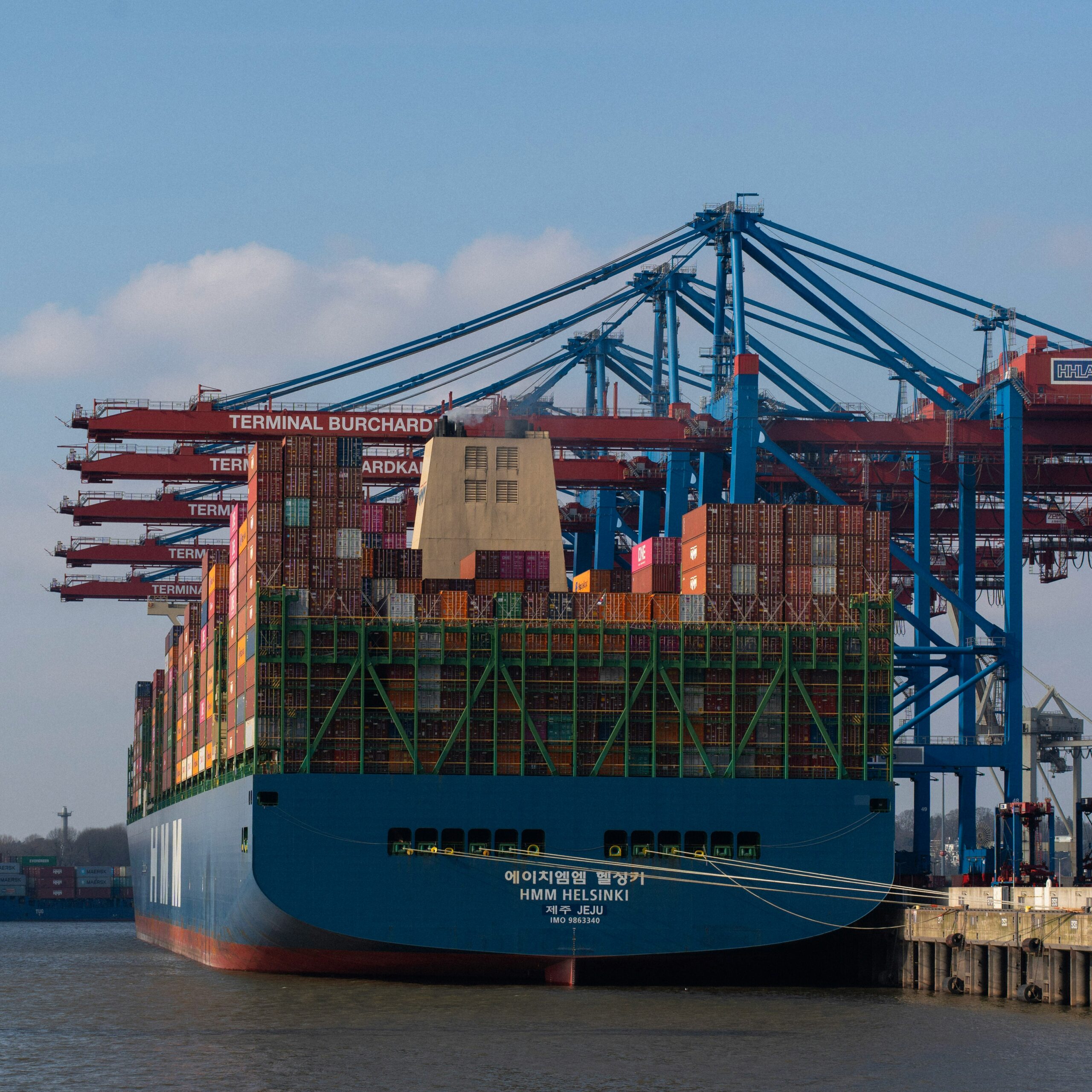
SPANISH CASE LAW: CARRIER’S PERIOD OF RESPONSIBILITY
Hague Visby Rules (HVR) are applicable in Spain and so was recognized by the Spanish Shipping Act dd. 2014. However, when it was enacted, Spanish legislator took the opportunity to complement and modernize the “old” HVR in several aspects. For instance, carrier’s compulsory liability for delay or its period of responsibility. We are now referring in this article to the later topic.
Traditionally the period of responsibility under the HVR has been defined with the expression “tackle-to-tackle” (under lines terms), which covers the duration from when the ship’s tackle first engages the cargo at the loading port to when the cargo is released from the tackle at the discharge port.
Spanish Shipping Act complemented this rule by stating in art. 279:
The carrier’s responsibility for the custody and preservation of the goods covers the period from when it takes charge of them at the port of origin until it makes them available to the consignee or person designated by the consignee at the port of destination. Where port laws or regulations require the intervention of a company or body in the delivery of goods to the carrier for transport, or from the carrier to the consignee, the carrier shall not be liable for the period during which the goods are in the custody of such companies or bodies.
High Court of Valencia recently had the opportunity to construe this article in a cargo claim filed by cargo underwriter against the carrier who was represented by Muñoz & Montañes. It was a “port-to-port” shipment from Valencia to Ashdod of a reefer container loaded with frozen lamb at -18ºC.
Container was discharged at the Terminal and moved to a bonded depot three days afterwards. The unit remained at the depot for two weeks waiting for custom clearance. It was at this time when temperature alteration occurred, but it was not immediately noticed. When failure was detected, the cargo was completely defrosted and useless. The depot had invoiced storage, connections and reefer monitoring to the consignee.
Following art. 279, and despite the fact that it was a carrier owned container, Court ruled that the cargo was not under carrier’s custody and it would have been the depot’s duty to report the reefer malfunction in time, so consignee could have taken preventive measures to avoid cargo damage.
Muñoz & Montañés, law firm specialized in maritime law, transport and international trade, with offices in Valencia and Bilbao, providing services throughout Spain.